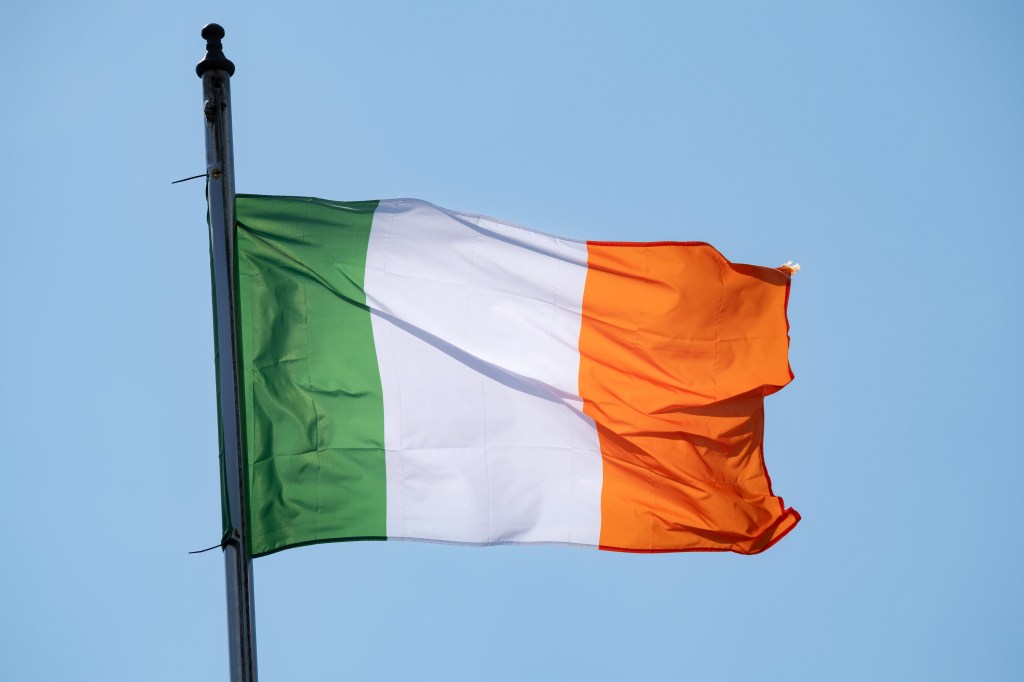
Do you dream of starting a new adventure in Ireland,
LOOK NO FURTHER !
either for a few months or a lifetime?
My name is Annabelle.
On 4 October 2024, I got a job offer from Amazon in Ireland. They were expecting me to start on 4 November!
Without a moment of hesitation, I packed my suitcases, took my cats and off I went straight to the Republic of Ireland.
During this intense month, I’ve gathered a huge amount of information.
If you’re looking for a practical checklist to help you prepare for your move, you’ve come to the right place!
Today, we start with THE first question we all ask ourselves when embarking on such a journey:
Should I focus on finding a job or accommodation first?
In reality, you need to ask yourself:
Why do I want to move to Ireland?
In other words, what are your priorities?
For example, does it make sense to move to Donegal if your career plan is to work for Apple in Cork, with only 2 days of WFH a week?
Or if you can’t stand city life, why apply for an office job in Dublin?
If you’ve got your sights set on a dream job or a particular company, then you need to prioritise your job research while keeping an eye on local accommodation offers and the cost of living in the area.
On the other hand, if you have a region whre you’d love to settle to and you’re flexible workwise, then you know what to do 😉
Once you’ve defined your priorities, it’ll be easier to plan ahead!
Now you can get on with the research!
CITY Life OR COUNTRYSIDE?
I think this is a very important question, and your choice will influence your priorities.
Here are a few points to help you think about it:
Cities :
- Pros:
- Access to public transport
- Proximity to amenities (shops, schools, hospitals, etc.)
- No need for a car
- Rich cultural life: museums, theatres, concerts
- More professional opportunities in certain niche areas
- Cons:
- Rents are expensive
- A fast-paced and sometimes stressful life
- More noise and pollution
Countryside :
- Pros:
- A more peaceful quality of life close to nature
- Cheaper rents (debatable, but still a bit cheaper)
- Less noise and pollution
- Local community often closer-knit
- Cons:
- Need to have a vehicle
- Greater distance from amenities (hospitals, schools, etc.)
- Fewer job opportunities in administrative and communication jobs, etc.
- Fewer cultural and social activities
FINDING A JOB
Send out as many CVs as possible: perseverance is the key! LinkedIn and Indeed will be your best allies.
Don’t underestimate Facebook groups and job ads in local newspapers, especially in the countryside! Join private groups in your region, your town or even your village and be on the lookout!
Keep an eye out when you’re visiting: it’s not uncommon to find job advertisements in shop windows or at checkouts in shops and offices.
Don’t hesitate to just go and drop a CV! Go straight to the companies with your CV. This might not work to get into Google or a pharma company. However, I know a welder who showed up at a welding company on a Friday. He started the following Monday!
To all electricians, welders, carpenters, mechanics, bus drivers, care assistants, nurses, and so on… You are very much needed in Ireland!
Salaries in Ireland are high.
So is the cost of living.
In Dublin, you can find tech jobs for €40,000 gross per year*. There’s a reason for that!
Before applying, please remember to :
- Look at the cost of accommodation
- Calculate the cost of electricity and gas
- Check whether or not you will need a car, as the cost can be high (insurance, motor tax, parking charges, etc.).
*Job offers often indicate the gross salary : click here to calculate the net !
Finding accommodation in Ireland
Bear in mind that Ireland is going through an intense housing crisis. Finding somewhere to live has become an Olympic challenge.
Rents are very expensive.
In Dublin or Cork, a room in a shared property can be €1,200 a month.
In the countryside, a two-bedroom house regularly is around €1,800 a month.
Here are a few tips for finding accommodation:
- Temporary solutions : platforms such as Hosting Power allow you to find accommodation in a private home. Rent includes utilities.
- Useful websites : Daft.ie or Rent.ie
- Social networks: just like job hunting, Facebook is your friend.
- Share a house / apartment
Accommodations in Ireland are often damp.
Tip: when you’re looking at property advertisements, be sure to take the time to look at the photos to see the state of the walls and ceiling. If they’re blistered, move on.
Investing in a humidity absorber can be very useful.
Warning: never send money to reserve accommodation before visiting. Due to the housing crisis, there are plenty of scams.
Bonus: Administrative check before you leave
Visa or work permit:
Make sure you meet the criteria depending on your situation.
For citizens of European Union countries, if you’re planning to go to the Republic of Ireland: you don’t need a visa or work permit!
If you are going to Northern Ireland: you must check the visa requirements before moving.
PPS (Personal Public Service) number:
ESSENTIAL for working and accessing social services.
Without it, your employer will deduct a large amount from your wages (Emergency Tax).
As soon as you have your address, even a temporary one, and your job, getting your PPS number must be your priority.
Everything you need to know about it is here : PPSN et Emergency Tax
Opening an Irish bank account:
Not compulsory to receive your salary if you have an account in a European Union bank. Remember to check your authorisations and charges for payments and withdrawals abroad with your bank before you leave.
Health:
Medical expenses are expensive. Remember to check if your employer provides health insurance, and if it covers dental and vision care.
For people who want to settle down for the long term, there are various ways of reducing certain medical expenses (GP card if eligible or tax credit).
To sum up, your move to Ireland depends on good organisation and a dose of flexibility. Work on your plan step by step, and come back to this blog regularly for more practical advice.
Leave your questions in the comments and share this article with friends and family who want to take the plunge!
See you soon for more adventures!

 Annabelle in Éire
Leave a comment